
Gentle Teaching
The Discipline of Respect
Language, Documentation, and Daily Practice This article is the fourth in our March series, From Awareness to Belonging, exploring how society continues to examine implicit bias, expectations, and dignity in developmental disability services. In the first article, we reflected on how awareness has evolved and why awareness alone is not enough. In the second article, […]
The Weight of Expectations
How Low Expectations Quietly Limit Opportunity This article is the third in our March series, From Awareness to Belonging, exploring how society continues to examine implicit bias, expectations, and dignity in developmental disability services. In the first article, we reflected on how awareness has evolved over time and why awareness alone is not enough. In […]

When Care Becomes Control
This article is the second in our March series, From Awareness to Belonging, exploring how society continues to examine implicit bias, expectations, and dignity in developmental disability services. In the first article, we reflected on how awareness has evolved over time and why awareness alone is not enough. This week, we look more closely at […]
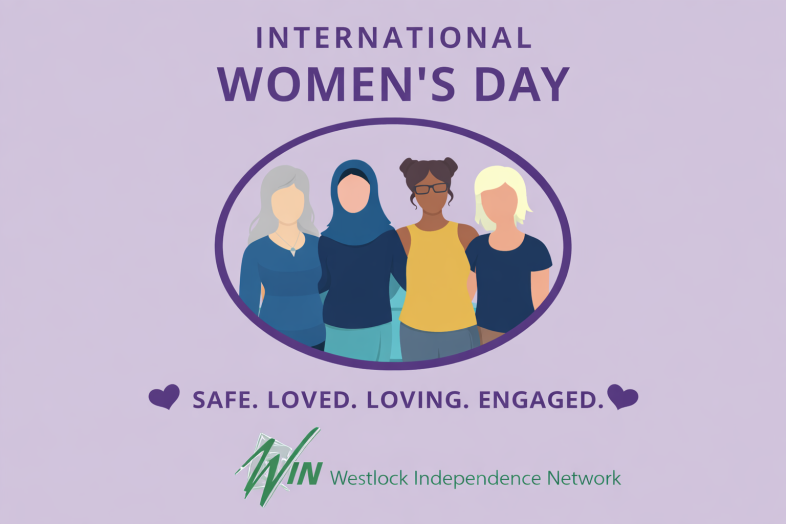
International Women’s Day – March 8
Honouring Women — and Courageous Allyship — Through the Lens of Gentle Teaching at WIN At Westlock Independence Network (WIN), International Women’s Day is more than a celebration. It is a moment to reflect on the kind of culture we are building — and the kind of leadership we are choosing. Through the lens of […]
Honouring Disability Pride Month: Visibility, Dignity, and Belonging
July is Disability Pride Month—a time to celebrate the strength, creativity, and diversity of the disability community. It’s more than just a month on the calendar; it’s a movement that challenges outdated ideas, breaks down barriers, and centers the voices of people with disabilities. Disability Pride invites us to reframe how we see disability—not as […]